

How to Start a Paid Community From Scratch
Starting a paid community sounds simple on paper. Pick a niche, create a Discord server, add some channels, set a monthly price, and invite people to join.
In reality, that's exactly why many paid communities struggle.
The issue usually isn't the platform, the pricing, or the competition. The issue is that many community owners start by thinking about what they want to sell instead of what people want to buy.
There's a huge difference between those two things.
A creator might want to sell access to exclusive channels. A coach might want to monetize their audience through a subscription. An expert might want to create a recurring revenue stream around their knowledge.
But potential members aren't thinking about any of that.
They're thinking:
How do I get my first client?
How do I grow my business?
How do I stay accountable?
How do I improve faster?
How do I get results without wasting months figuring everything out myself?
That distinction matters because it influences every decision you'll make while building your community.
The strongest paid communities aren't built around Discord. They're built around outcomes. Discord is simply where those outcomes happen.
Before you think about pricing, channels, onboarding, or growth, you need to understand exactly why somebody would willingly pay to join your community in the first place.
That's where successful paid communities begin.
Before You Start a Paid Community
Start With the Problem, Not the Platform
Many people decide to launch a paid community because they see somebody else doing it successfully.
They join a few paid communities, notice hundreds of members inside, and assume the secret is having a Discord server with a subscription attached to it.
What they don't see is everything that came before the community existed.
Most successful paid communities started as solutions to specific problems.
For example, imagine somebody running a community for agency owners.
People aren't paying because they love Discord.
They're paying because they want:
- More clients
- Better systems
- Faster growth
- Accountability
- Access to people who've already solved the problems they're facing
The same principle applies across almost every niche.
A fitness community isn't selling channels. It's selling consistency and accountability.
A trading community isn't selling chat rooms. It's selling education, structure, and perspective.
A creator community isn't selling emojis and roles. It's helping members grow faster than they would alone.
Before creating anything, ask yourself:
What specific problem am I helping people solve?
If you can't answer that question clearly, you're probably not ready to monetize yet.
Put Yourself in the Member's Shoes
One of the most useful exercises you can do before launching a paid community is pretending you're the customer.
Imagine you've never heard of yourself before.
You land on the sales page.
You see the monthly price.
You see the offer.
Now ask yourself:
Would I genuinely pay for this?
Not because you're proud of it.
Not because you spent weeks building it.
Not because you know how much effort went into it.
Would you pay for it because it provides enough value to justify the cost?
This is where many community owners discover uncomfortable truths.
They realize they're charging for access when people actually want results.
They realize they're charging for content when people actually want accountability.
They realize they're charging for information when people actually want guidance.
Members don't care how many channels exist.
They care whether those channels help them move closer to their goals.
That's why some communities with only a handful of channels outperform servers with dozens of categories and hundreds of resources.
The value isn't in the structure.
The value is in the outcome.
Define the Transformation
Every successful paid community delivers some form of transformation.
That transformation doesn't need to be dramatic.
It simply needs to be clear.
For example, instead of positioning your offer as a community for freelancers, position it as a community that helps freelancers consistently find better clients.
Instead of creating a trading Discord, build a community that helps traders become more disciplined and improve their decision-making.
Instead of creating a community for creators, build a place where creators learn how to grow an audience and turn it into revenue.
The clearer the transformation, the easier every other decision becomes.
It becomes easier to:
- Create content
- Design onboarding
- Plan events
- Price memberships
- Attract the right people
Most importantly, it becomes easier for potential members to understand why they should join.
People rarely buy access.
They buy outcomes.
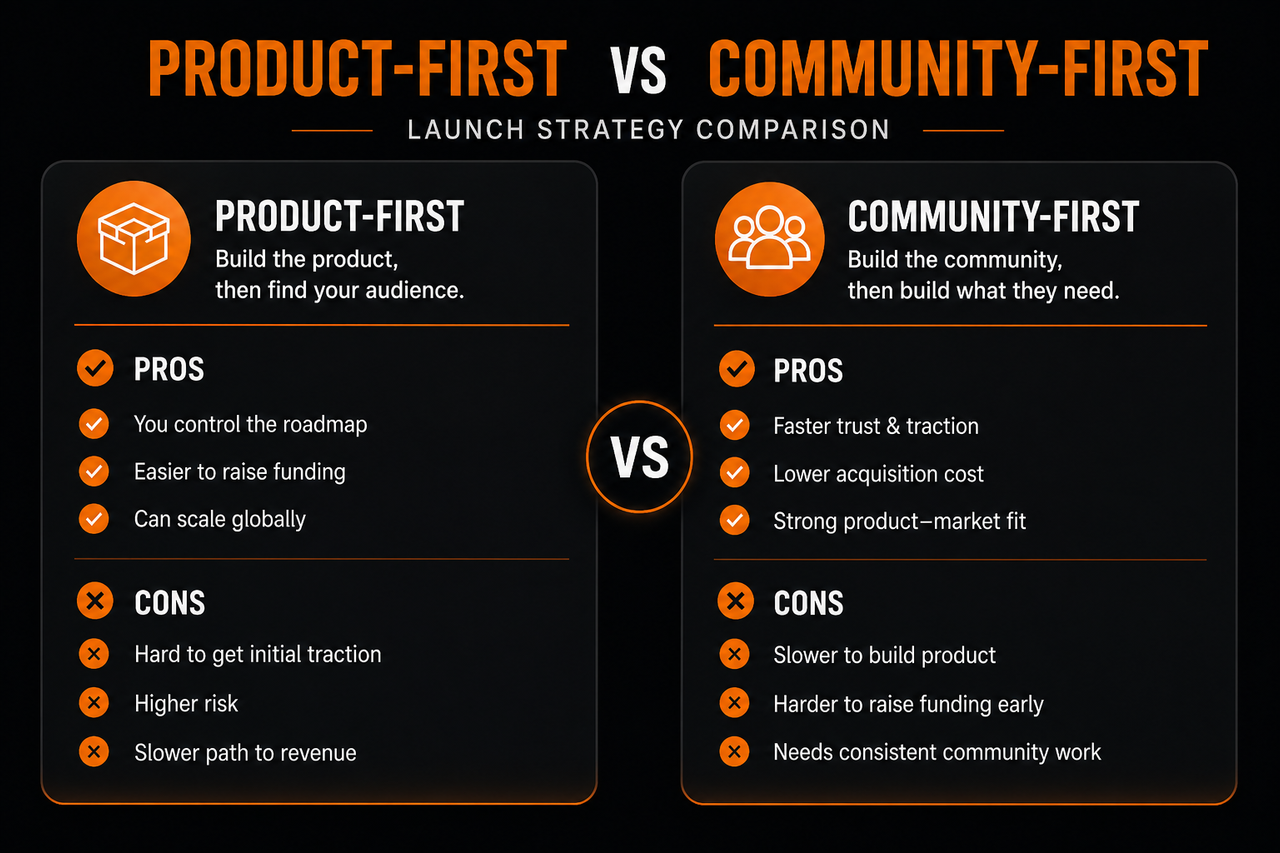
Build a Product Before You Build a Membership
One of the biggest mistakes new community owners make is treating the community itself as the product.
The community isn't the product.
The community supports the product.
Think about some of the best paid communities you've ever joined.
The reason people stay isn't because there are text channels.
It's because something valuable happens inside those channels.
Maybe it's coaching.
Maybe it's accountability.
Maybe it's networking.
Maybe it's direct access to experienced people.
Maybe it's a proven framework that helps members achieve a goal faster.
The Discord server is simply where the experience gets delivered.
Too many people follow this process:
- Create Discord
- Add channels
- Set pricing
- Launch
A healthier process looks like this:
- Identify a problem
- Create a solution
- Help people get results
- Validate demand
- Build a community around that solution
- Monetize once the value is obvious
This approach takes slightly longer.
But it dramatically increases your chances of building something people actually want.
And that's what matters.
Don't Rush to Monetize
Many people become interested in paid communities because recurring revenue sounds attractive.
There's nothing wrong with that.
The problem starts when monetization becomes the goal instead of the outcome.
A monthly subscription doesn't create value.
Value creates the subscription.
If people aren't getting results yet, adding a payment page won't solve the problem.
In fact, it usually makes growth harder.
The strongest communities often spend time proving value before aggressively monetizing.
That doesn't mean running everything for free forever.
It means validating demand first.
Look for signals such as:
- Members regularly asking questions
- People returning to discussions
- Members implementing advice
- Success stories appearing naturally
- Word-of-mouth referrals beginning to happen
These indicators tell you far more than any pricing spreadsheet ever will.
If people aren't finding value before monetization, charging money won't magically change that.
Don't Build for Everyone
Broad communities sound appealing because they seem to attract more people.
In reality, they often struggle.
Consider these two examples:
Community for entrepreneurs
versus
Community for agency owners trying to reach their first $10,000 month
The second offer immediately feels more relevant to the right person.
People naturally gravitate toward groups where they feel understood.
When a community tries to serve everybody, discussions become fragmented. Members have different goals, different experience levels, and different expectations.
The result is weaker engagement.
Specific communities often grow faster because members immediately think:
These people are dealing with the same problems I'm dealing with.
That's exactly the feeling you're trying to create.
Before launching, be crystal clear about:
- Who the community is for
- Who it is not for
- What outcome members want
- Why members should stay
The more specific you become, the easier it becomes to attract the right people.
Validate Demand Before Building Everything
Another trap many founders fall into is over-building.
They spend months creating:
- Courses
- Templates
- Resource libraries
- Automations
- Events
- Complex channel structures
before a single paying member joins.
The problem is that all of those decisions are based on assumptions.
You assume members want certain resources.
You assume they'll ask specific questions.
You assume they'll use certain channels.
Often, reality looks completely different.
The first ten members will teach you more about your community than six months of planning ever could.
That's why validation matters.
Instead of asking:
What should my community eventually become?
Ask:
What do my first members need right now?
That mindset keeps you focused on delivering value rather than building features.
The early stage of a paid community isn't about creating the perfect ecosystem.
It's about helping a small group of people achieve meaningful results.
Once that happens consistently, growth becomes much easier.
Focus on Results Before Scale
One of the easiest mistakes to make is obsessing over growth before you've proven retention.
People start thinking about:
- Paid ads
- Affiliate programs
- Viral loops
- Influencer partnerships
- Growth hacks
before they've confirmed that members actually want to stay.
A community with 25 highly engaged members is healthier than a community with 500 inactive ones.
Before worrying about scale, ask yourself:
If somebody joined today, would they still be happy they joined three months from now?
If the answer is yes, you're building something worth growing.
If the answer is no, your focus shouldn't be acquisition.
It should be improving the member experience.
The goal isn't to get somebody's first payment.
The goal is to earn their renewal.
Picking Your Model and Price
Once you've validated that people want what you're offering, the next question becomes:
How should this community actually work?
Most founders immediately jump to pricing.
Should it be $19 per month?
$49 per month?
$99 per month?
Should there be multiple tiers?
Should there be an annual plan?
The problem is that pricing isn't the first decision you need to make.
Before deciding what to charge, you need to decide what members are actually paying for.
The strongest communities don't start with pricing.
They start with a model.
Decide What Type of Community You're Building
Not all paid communities create value in the same way.
A trading community operates differently from a coaching community. A networking community works differently from a niche mastermind. A SaaS founder community has different expectations compared to a fitness accountability group.
That's why blindly copying another community's pricing rarely works.
What works for somebody else's audience may not work for yours.
Before choosing a price, think about the primary reason people are joining.
For example, some communities are heavily education-focused.
Members join because they want access to training, frameworks, templates, and lessons that help them solve a specific problem. The community itself supports the learning experience, but the educational content remains the primary attraction.
Other communities are built around networking.
People join because they want access to other members. The value comes from introductions, conversations, partnerships, and relationships that wouldn't happen otherwise.
Then there are coaching communities.
In these communities, members are paying for direct access to expertise. The community provides the environment, but the real value comes from feedback, guidance, accountability, and support.
Many of the most successful communities today combine all three.
Members receive educational resources, build relationships with other members, and gain access to experienced people who can help them progress faster.
The important thing isn't choosing the "best" model.
It's understanding what members expect when they join.
If somebody is paying for coaching but receives only content, they'll be disappointed.
If somebody joins for networking but nobody talks to each other, they'll leave.
If somebody joins to learn a skill but can't find a clear path forward, they'll eventually cancel.
The model determines expectations.
Expectations determine retention.
Build Around the Outcome
A useful exercise is to imagine that Discord disappears tomorrow.
Would your offer still make sense?
It sounds like a strange question, but it forces you to think about what you're actually selling.
Let's say you're helping agency owners get clients.
Your offer isn't:
- Private channels
- Special roles
- Voice rooms
Your offer is helping agency owners get clients.
Discord is simply where that experience is delivered.
The same applies everywhere else.
A fitness community helps people stay consistent.
A coaching community helps people solve problems faster.
A networking community helps people meet the right people.
The platform is not the value.
The outcome is the value.
Many founders accidentally build their pricing around features instead of outcomes.
They start thinking:
Premium tier gets five channels.
Gold tier gets ten channels.
Platinum tier gets fifteen channels.
Members don't think that way.
Nobody wakes up excited because they gained access to three additional Discord channels.
What they care about is whether those channels help them achieve the reason they joined.
Whenever you're unsure about a pricing decision, return to a simple question:
What result is my member trying to achieve?
The answer usually reveals what actually matters.
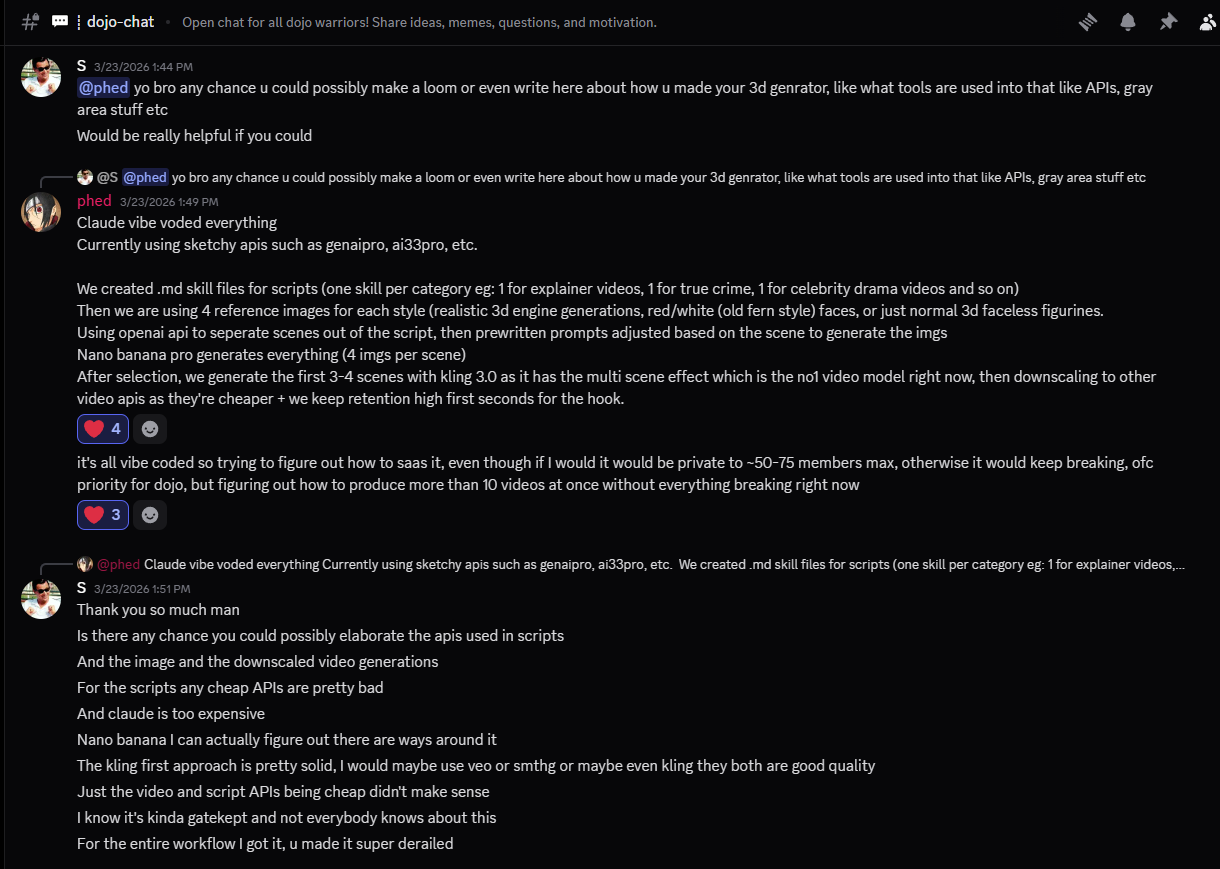
Why Members Continue Paying
Getting somebody to join is relatively easy compared to getting them to stay.
Most communities spend enormous amounts of energy thinking about acquisition.
Very few spend enough time thinking about retention.
The reality is that recurring revenue comes from renewals.
Not signups.
A community owner with one hundred members who stay for twelve months is usually in a much healthier position than someone constantly replacing members who leave after thirty days.
This is why understanding retention is so important before setting your price.
Members rarely continue paying because information exists inside the community.
Information becomes less valuable over time because eventually members consume it.
Relationships, accountability, support, and momentum tend to become more valuable the longer somebody stays.
Think about your own experiences.
You've probably stayed in communities because:
- You made friends.
- You built relationships.
- You enjoyed conversations.
- You found people who understood your goals.
- You felt accountable to others.
Very few people stay subscribed for twelve months because a resource library exists.
This is one reason why many community owners overestimate the importance of content and underestimate the importance of member interaction.
A new course may attract members.
Relationships keep them around.
Start Simple With Pricing
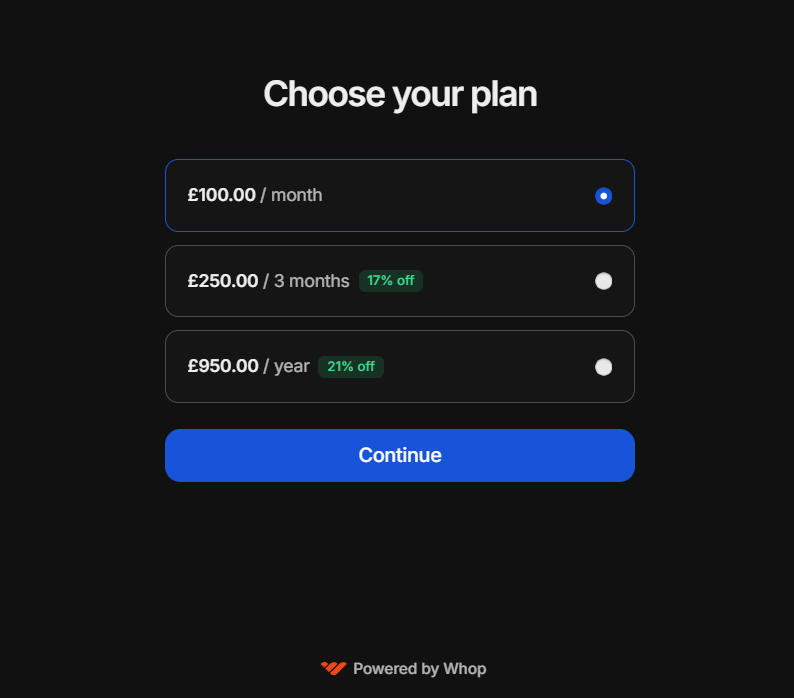
One of the most common mistakes new community owners make is creating complicated pricing structures too early.
They launch with:
- Basic
- Pro
- Premium
- Elite
- VIP
Each tier includes different channels, different resources, different events, and different permissions.
The founder believes they're creating flexibility.
The buyer experiences confusion.
Most communities don't need five membership tiers.
In fact, many successful communities begin with a single offer.
This approach has several advantages.
First, it's easier for members to understand.
Second, it reduces decision fatigue.
Third, it allows you to focus on improving one experience instead of managing multiple ones.
Remember, your first goal isn't maximizing revenue.
Your first goal is proving that people want what you're building.
Once you've developed a deeper understanding of your members, you'll naturally discover opportunities for additional offers, higher tiers, coaching packages, or premium experiences.
But in the beginning, simplicity wins.
Price Based on Value, Not Effort
Another mistake many founders make is pricing based on how much work they've done.
They think:
I spent three months building this.
I recorded twenty videos.
I created dozens of resources.
Therefore:
It must be worth $99 per month.
Unfortunately, customers don't buy based on your effort.
They buy based on the value they believe they'll receive.
Imagine two communities.
The first contains hundreds of hours of content but doesn't help members achieve results.
The second contains fewer resources but consistently helps members solve real problems.
Which one would people continue paying for?
Most would choose the second option.
Value isn't measured by how much you've created.
It's measured by how useful members find it.
This is why community owners should spend less time counting resources and more time understanding outcomes.
Consider Starting With Beta Pricing
One advantage of being small is flexibility.
Your first members understand they're joining something that is still evolving.
That gives you an opportunity to learn.
Instead of obsessing over finding the perfect price, consider launching with a beta offer.
The goal isn't to discount your community forever.
The goal is to reduce friction while collecting feedback.
Early members often become some of your most valuable contributors.
They tell you:
- What they like
- What they don't like
- What they're struggling with
- What they'd like to see added
That feedback is incredibly valuable because it comes from real paying members rather than assumptions.
As the community matures and the value becomes clearer, adjusting pricing becomes much easier.
Use Established Payment Infrastructure
One of the easiest ways to waste time as a new community owner is trying to build everything yourself.
You don't need to create custom payment systems.
You don't need to manually manage subscriptions.
You don't need to spend weeks figuring out access control.
There are already platforms designed to handle those problems.
Whop is a good example because it combines payments, membership management, access control, and renewals in one place.
Instead of worrying about technical setup, you can focus on improving the member experience.
That's where your attention should be.
The early stages of a community are about learning what members want.
Every hour spent troubleshooting payment systems is an hour you're not spending helping members succeed.
Pricing Is Easier Than Most People Think
Many founders spend weeks trying to find the perfect number.
Should it be $29?
$39?
$49?
$59?
The truth is that pricing usually isn't what determines whether a community succeeds.
Communities succeed because members receive enough value to justify staying.
A great community priced at $49 per month will outperform a weak community priced at $9 per month.
Likewise, a community that consistently helps members achieve results can often charge significantly more than competitors offering similar content.
That's because people don't compare prices in isolation.
They compare perceived value.
The better question isn't:
What should I charge?
It's:
Why would somebody happily keep paying?
When you can answer that question confidently, pricing becomes much easier.
And once you've established a model people want and a price they understand, the next challenge becomes finding your first members.
That's where most communities truly begin.
Getting Your First Ten Members
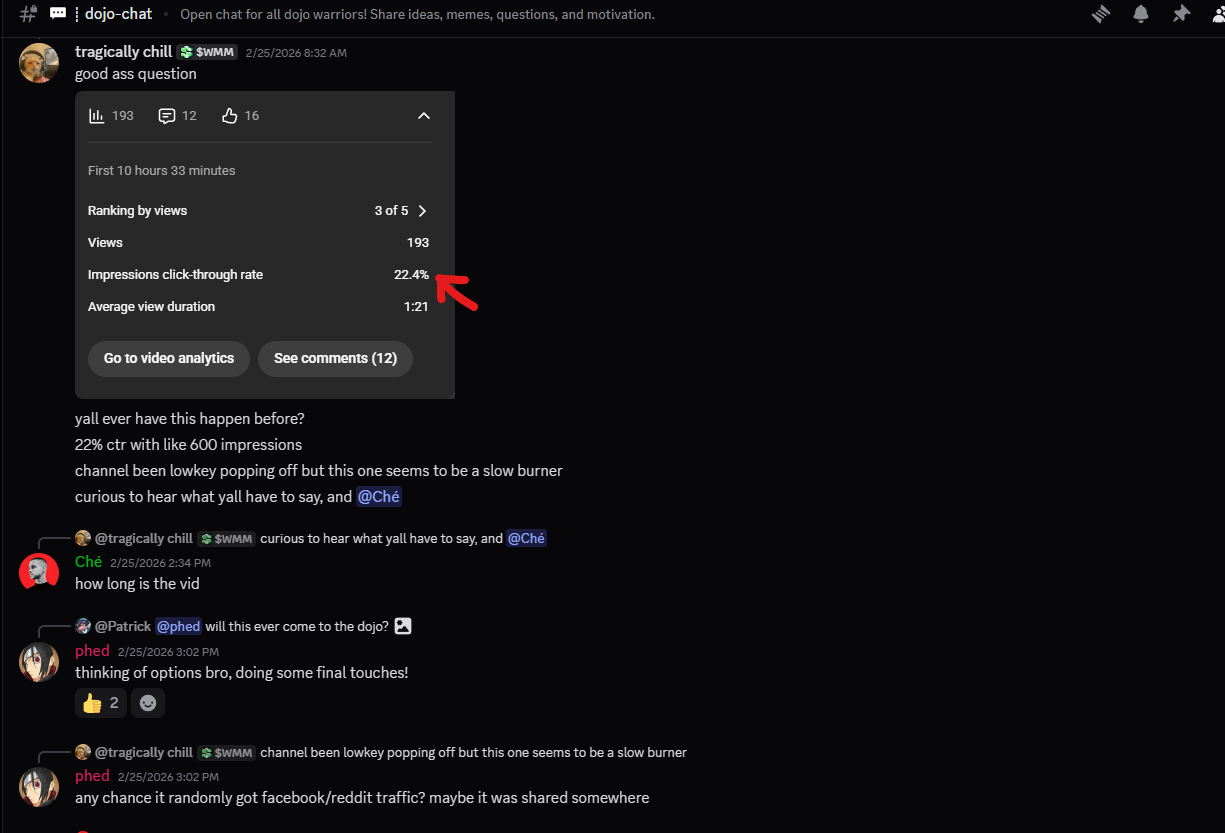
The first ten members are usually the hardest.
Not because they're difficult to find, but because most founders approach growth the wrong way.
After spending weeks building a community, it's tempting to think about scale immediately. People start researching paid ads, affiliate programs, referral systems, content funnels, and growth hacks before they've convinced a single person to join.
The reality is that most successful communities don't start with sophisticated acquisition systems.
They start with conversations.
Your first ten members are rarely strangers. They're often people who already know who you are, trust your expertise, or have interacted with your content before.
That's why the goal at this stage isn't growth.
The goal is validation.
You're looking for a small group of people who have the problem you're trying to solve and are willing to trust you enough to help them solve it.
Everything else comes later.
Start With People You Already Know
Many community owners overlook the most obvious source of members.
Their existing audience.
That audience doesn't need to be huge.
In fact, some communities launch successfully with audiences of only a few hundred people.
The reason is simple.
A highly engaged audience of one hundred people is often more valuable than ten thousand passive followers.
Think about where people already interact with you:
- Discord servers
- Twitter/X
- YouTube
- Email newsletters
- Facebook groups
- Existing clients
- Personal network
These people already know who you are.
They already understand what you talk about.
They already have some level of trust in your expertise.
That's significantly easier than convincing complete strangers to pay for something they've never heard of.
When launching, don't think:
How do I find thousands of people?
Think:
Who are the first ten people I can genuinely help?
That's a much easier question to answer.
Talk to Potential Members Before You Sell
One of the biggest advantages small communities have is the ability to talk directly with potential members.
Many founders skip this step.
They build the community.
They create the sales page.
They set the pricing.
Then they hope people join.
A better approach is to have conversations first.
Ask potential members questions like:
- What's your biggest challenge right now?
- What's slowing your progress?
- What have you already tried?
- What would make the biggest difference for you?
These conversations often reveal opportunities you never would have discovered on your own.
For example, you may think people want educational content.
After speaking with them, you discover they actually want accountability.
Or you may think members want networking.
In reality, they're looking for feedback and support.
These insights help shape the community around real needs instead of assumptions.
The more conversations you have, the easier it becomes to position your offer.
Focus on Solving One Problem Well
Many communities struggle because they try to solve too many problems.
The founder wants the community to be:
- A course
- A networking group
- A mastermind
- A resource library
- A job board
- A coaching program
all at the same time.
The result is usually confusion.
People don't know what the community is actually for.
When you're trying to attract your first members, clarity matters more than variety.
A community that helps agency owners land clients is easier to understand than a community that helps agency owners with clients, hiring, systems, mindset, operations, finances, networking, and productivity.
The narrower the promise, the easier it is for somebody to decide whether the community is relevant to them.
You can always expand later.
Initially, focus on becoming known for solving one problem exceptionally well.
Create a Founding Member Experience
The first members of a community are special.
They're joining before the success stories exist.
Before the testimonials exist.
Before the social proof exists.
That takes trust.
Treat them accordingly.
Many successful community owners create a "founding member" experience for their early members.
This doesn't necessarily mean discounts.
It means involvement.
Invite them into discussions about the future of the community.
Ask for feedback.
Give them opportunities to shape what gets built.
Make them feel like contributors rather than customers.
This creates stronger relationships and often leads to better retention because members feel invested in the community's success.
They're not just consuming the experience.
They're helping build it.
Don't Hide Behind Automation
Automation becomes important later.
Early on, human interaction matters more.
When your community has ten members, there is no reason somebody should feel invisible.
Learn their names.
Understand their goals.
Ask questions.
Start conversations.
Follow up with them.
Many founders try to automate engagement before they've learned what engagement actually looks like.
The first stage of a community is incredibly valuable because it gives you direct access to every member.
Use that opportunity.
The insights you gain from those conversations will improve everything from onboarding to retention.
As the community grows, systems and automation become more important.
But during the early stages, relationships are your biggest advantage.
Deliver Quick Wins
One reason members leave communities quickly is that they never experience progress.
They join.
They browse.
They consume content.
Then they disappear.
The best communities create momentum early.
Look for ways to help new members achieve a quick win during their first week.
The win doesn't need to be life-changing.
It simply needs to demonstrate that joining was a good decision.
For example:
- A freelancer receives feedback that improves a proposal.
- A creator fixes an issue that was slowing channel growth.
- A founder gets advice that saves several hours of work.
- A trader identifies a mistake they repeatedly make.
These small wins matter because they reinforce value.
The member starts thinking:
This was worth joining.
That's an important moment.
Communities rarely lose members because they didn't receive enough information.
They lose members because they didn't experience enough progress.
Create Reasons to Return
Another common mistake is assuming people will return simply because the community exists.
Most people are busy.
Discord competes with work, family, social media, hobbies, and countless other distractions.
Members need reasons to come back.
That's why recurring activities matter so much.
For example:
- Weekly calls
- Accountability check-ins
- Community challenges
- Office hours
- Member spotlights
- Progress updates
These activities create touchpoints throughout the month.
Instead of joining once and disappearing, members develop habits around participation.
Over time, those habits become part of the value of the community itself.
The goal is to create a place that members want to return to, not a place they occasionally remember exists.
Learn From Every New Member
Your first ten members are more than customers.
They're a source of information.
Every interaction teaches you something.
Pay attention to:
- Questions people ask repeatedly
- Resources people actually use
- Discussions that generate engagement
- Activities people ignore
- Reasons people joined
These patterns reveal what your community genuinely values.
You may discover that a channel you spent hours building gets ignored.
You may discover that a casual discussion thread becomes one of the most active parts of the server.
That's normal.
The market often tells you what matters.
Your job is to listen.
The communities that improve fastest are usually the ones that learn fastest.
The First Ten Members Matter More Than the Next Hundred
Many founders think growth solves problems.
In reality, growth often amplifies them.
If onboarding is confusing with ten members, it becomes worse with one hundred.
If engagement is weak with ten members, it becomes harder to fix with five hundred.
That's why your first members matter so much.
They give you an opportunity to refine the experience before growth introduces complexity.
Focus on helping them succeed.
Focus on understanding their needs.
Focus on building genuine relationships.
If you can create an experience that ten people genuinely love, scaling to fifty or one hundred members becomes significantly easier.
Growth should be built on a strong foundation.
And that foundation starts with the first people who choose to trust you.
By the time you've helped your first members achieve results, you'll have something far more valuable than revenue.
You'll have proof.
Proof that people want the outcome you're offering.
Proof that your community creates value.
Proof that members are willing to stay.
Once you reach that point, the next step isn't adding more features or creating more channels.
It's launching the community properly without overcomplicating everything you've built.
Launching Without Over-Building
By this point, you've defined the problem you're solving, chosen a model that makes sense, settled on an initial pricing structure, and brought in your first members.
Now comes the part where many founders accidentally make things harder than they need to be.
The temptation is understandable.
You see successful communities with dozens of channels, custom bots, advanced automations, detailed onboarding systems, multiple membership tiers, and a seemingly endless list of features.
It's easy to assume that your community needs all of those things before it's ready to launch.
In reality, most successful communities didn't start that way.
They became that way over time.
Resist the Urge to Build Everything Upfront
One of the biggest mistakes community owners make is trying to predict every future need before they've even launched.
They create channels for discussions that don't exist yet.
They install bots nobody uses.
They spend days configuring permissions.
They build resource libraries that nobody has asked for.
The result is often a server that feels impressive to the founder but overwhelming to new members.
Imagine joining a community for the first time and being greeted by fifty channels spread across ten categories.
Where do you start?
Which channels matter?
What should you do first?
Who should you talk to?
The more decisions a new member has to make, the more friction you create.
And friction is one of the biggest enemies of engagement.
A simple server that guides members toward the right actions will almost always outperform a complicated server that leaves people confused.
Start With the Essentials
When launching your first version, you need far less than you think.
Most communities can start with:
- A welcome area
- A place for introductions
- One or two discussion channels
- A resource section
- An announcements channel
- A place for members to ask questions
That's enough.
As conversations develop, you'll naturally discover what additional channels are needed.
The key word is naturally.
Channels should be created because members need them, not because you think they might need them someday.
This approach keeps the community focused while making it easier for new members to understand where everything belongs.
Let Member Behavior Guide Your Decisions
One of the advantages of launching early is that members quickly reveal what they care about.
You'll notice:
- Which channels receive activity
- Which discussions attract participation
- Which resources people actually use
- Which events members attend
- Which features get ignored
These signals are incredibly valuable.
Many founders make the mistake of treating their original plan as a blueprint that must be followed exactly.
Instead, think of your initial launch as a starting point.
The community will evolve.
Your members will tell you what they need.
Your job is to listen.
Sometimes a channel you thought would become the center of the community ends up completely inactive.
Meanwhile, a simple discussion channel becomes one of the busiest places in the server.
That's normal.
The goal isn't proving your assumptions were correct.
The goal is building something members genuinely enjoy using.
Focus on Member Experience Before Features
Whenever you're unsure whether to add something new, ask yourself a simple question:
Will this make the member experience better?
Not:
Will this make the server look more impressive?
Those are very different questions.
Many community owners spend enormous amounts of time adding features while neglecting the fundamentals.
Members don't renew because you added another channel.
They renew because they feel supported, make progress, build relationships, and continue receiving value.
The communities that retain members best are often surprisingly simple.
What they do exceptionally well is create an environment where members feel like they belong.
That matters far more than another category or automation workflow.
Build Systems Slowly
Eventually, your community will need systems.
You'll need onboarding.
You'll need moderation processes.
You'll need automation.
You'll need recurring events.
You'll need ways to help members find relevant resources.
But these systems should be built in response to real problems.
Not hypothetical ones.
For example, if new members consistently ask the same questions, that's a good sign that onboarding needs improvement.
If moderators repeatedly handle the same issue, that's a good sign a process should be documented.
If members struggle to find information, that's a good sign your resources need better organization.
Build systems when the need becomes obvious.
Not before.
Learn From Communities That Already Work
One pattern you'll notice among successful communities is that they become increasingly intentional over time.
Features aren't added randomly.
They're added because they solve specific problems.
We've seen this firsthand through clients like Senne Jackson.
As the community grew, the challenge wasn't attracting members. The challenge was helping new members understand where to start and ensuring they received value quickly.
The onboarding process was structured to welcome members, learn how they discovered the community, collect useful information, and guide them toward the resources and conversations most relevant to their goals.
The result wasn't just a cleaner onboarding process.
It was a better member experience.
Members felt seen.
They felt guided.
They understood what to do next.
Those small improvements often have a bigger impact on retention than adding entirely new features.
Use Automation to Support, Not Replace, Human Interaction
As communities grow, maintaining the same level of personal engagement becomes more difficult.
That's where automation starts becoming useful.
The key is understanding its role.
Automation should remove repetitive work.
It shouldn't replace relationships.
For example, automation can help:
- Welcome new members
- Collect onboarding information
- Assign roles
- Surface relevant resources
- Send reminders
- Answer common questions
This gives community managers more time to focus on conversations, events, and member relationships.
Tools like SalesGenie are particularly useful in this stage because they help community owners create more structured onboarding experiences without adding extra manual work.
Instead of every new member receiving the exact same generic welcome message, onboarding becomes more personalized and informative.
The goal isn't to automate community building.
The goal is to automate repetitive tasks so community building gets more attention.
Launch Before You Feel Ready
Most communities launch later than they should.
Founders often convince themselves they need:
- More channels
- More resources
- More content
- Better branding
- More automations
- More members
before they're ready.
In reality, the community becomes better because it launches.
Not before it launches.
Real members create real feedback.
Real feedback creates improvements.
Improvements create a better community.
Waiting for perfection usually delays learning.
And learning is what ultimately helps communities grow.
If you can solve a meaningful problem, help members make progress, and create an environment people enjoy returning to, you're far closer to launch-ready than you probably think.
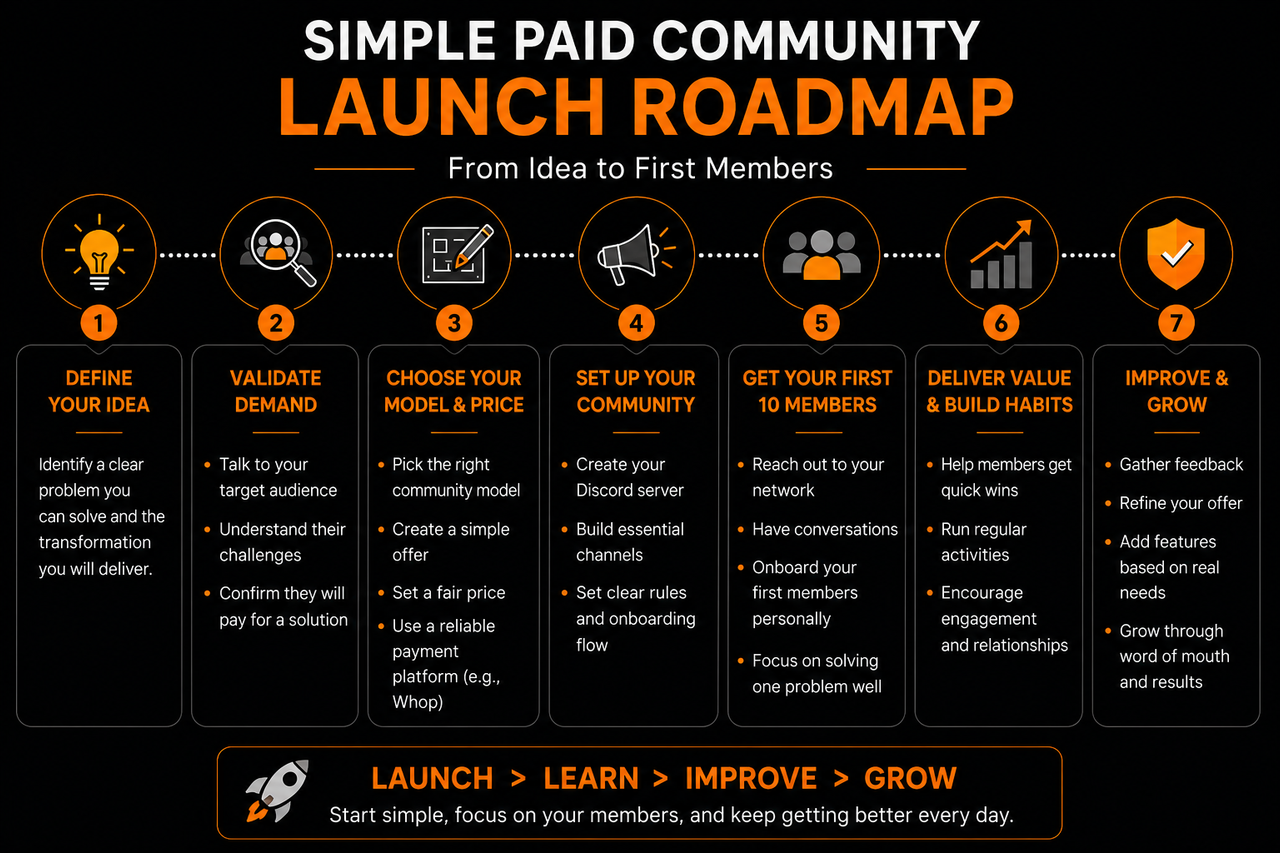
Final Thoughts
Starting a paid community from scratch isn't about building the most impressive Discord server.
It's about creating a place that helps people achieve something they care about.
Before worrying about pricing, think about the problem you're solving.
Before worrying about growth, focus on helping a small group of people succeed.
Before adding more features, make sure the fundamentals work.
The strongest communities aren't built through endless planning.
They're built through conversations, feedback, iteration, and a genuine commitment to helping members make progress.
If you remember one thing from this guide, let it be this:
People don't pay for access to a Discord server. They pay for the outcome they believe that community can help them achieve.
Everything else—pricing, channels, events, onboarding, automation, and growth—exists to support that outcome.
Get that part right, and you'll have the foundation for a community people are happy to join, participate in, and continue paying for long after the initial excitement wears off.